



Parnassos Literary Society
24-25 July 2026 | 20:30
 3-6-26.jpg)
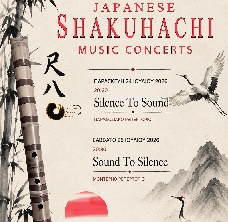
Friday, July 24: Silence To Sound
Japanese music for shakuhachi, koto & shamisen
Mixed program with emphasis on traditional repertoire
Saturday, July 25: Sound To Silence
Japanese music for shakuhachi, koto & shamisen
Mixed program with emphasis on contemporary and modern repertoire
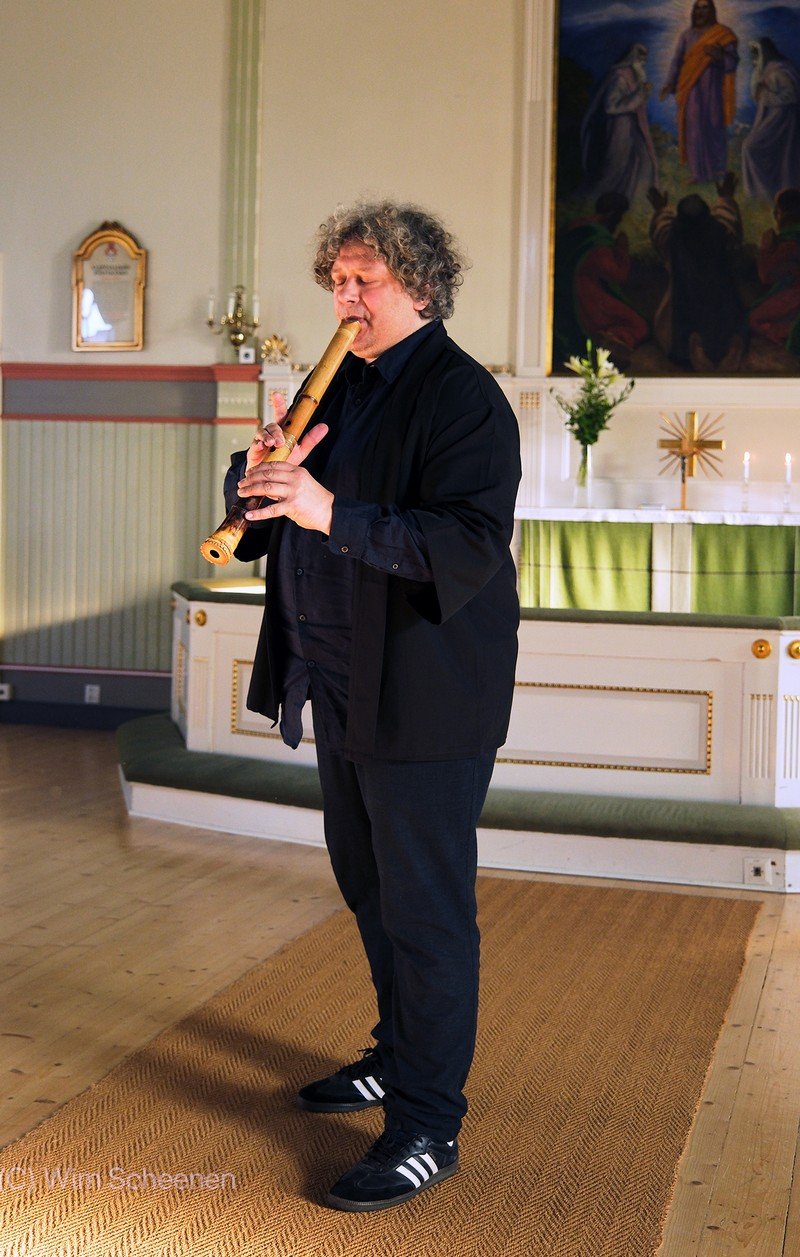
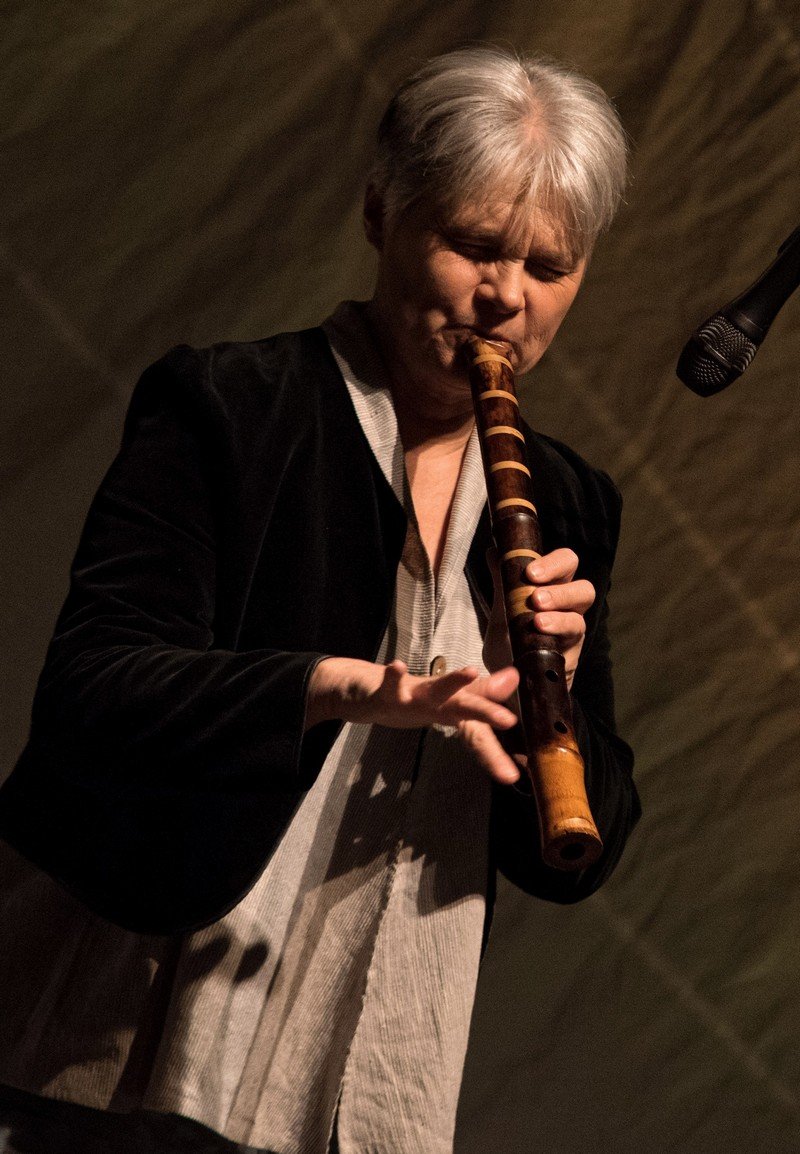
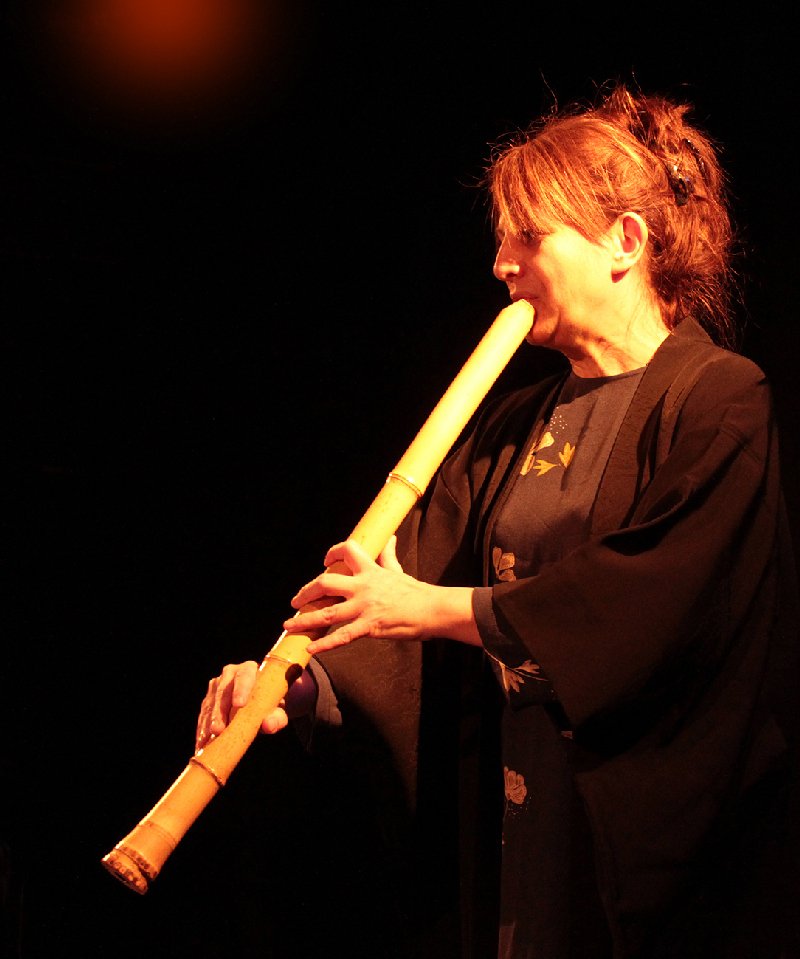
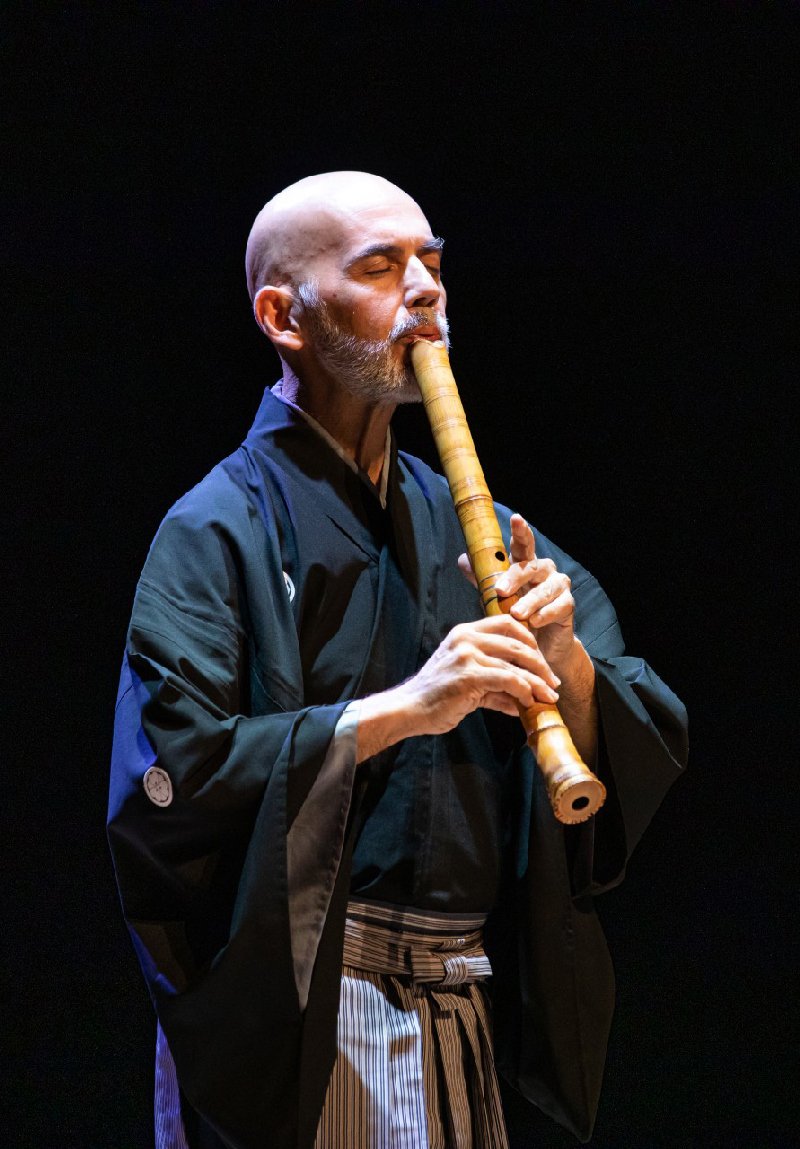
This July the European Shakuhachi Society (ESS) invites you to Filologikos Syllogos Parnassos which will host two extraordinary concerts dedicated to the Japanese Bamboo flute - the shakuhachi. The instrument enjoys an ever increasing global popularity and has been featured recently e.g. on movie and game soundtracks because of its evocative sound and versatility.
The concerts will offer a rare moment to witness high level performers from Japan and Europe, perform a wide range of traditional, modern and contemporary music, spanning from the haunting solo repertoire of honkyoku music to the ensemble music, combining shakuhachi with voice, koto or shamisen, to avant-garde compositions situating the shakuhachi into new musical surroundings (e.g. live electronics)
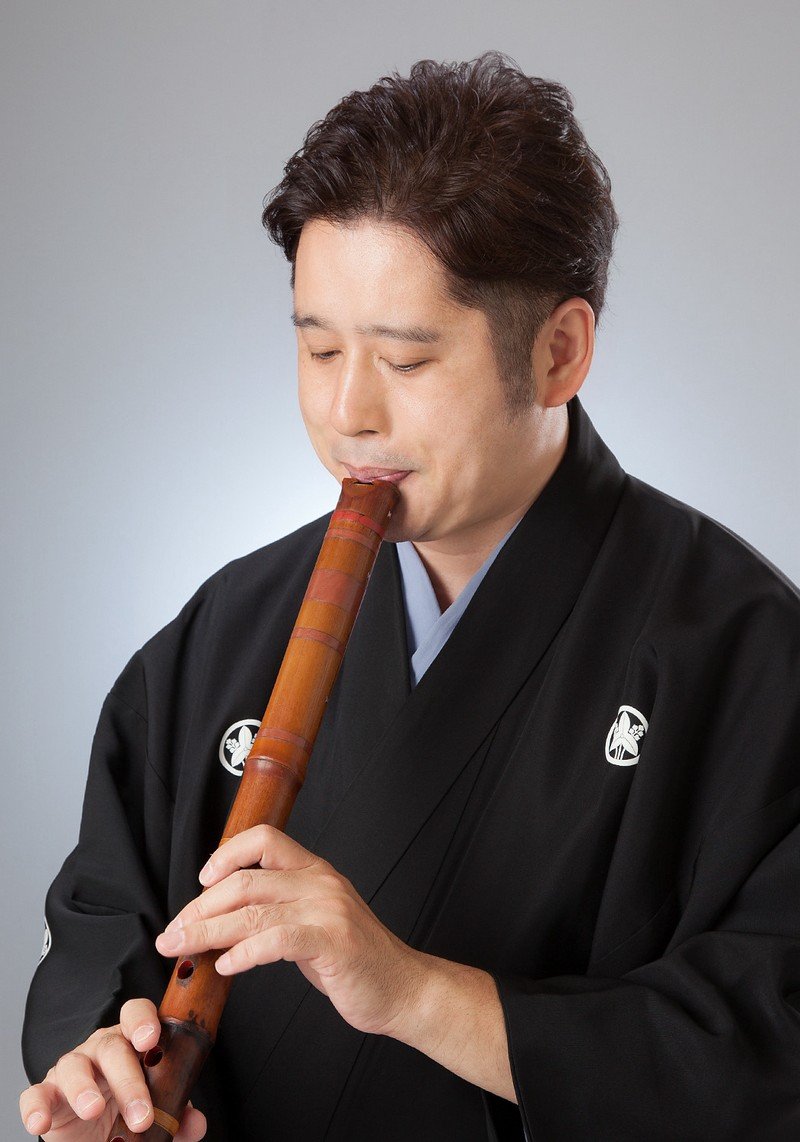
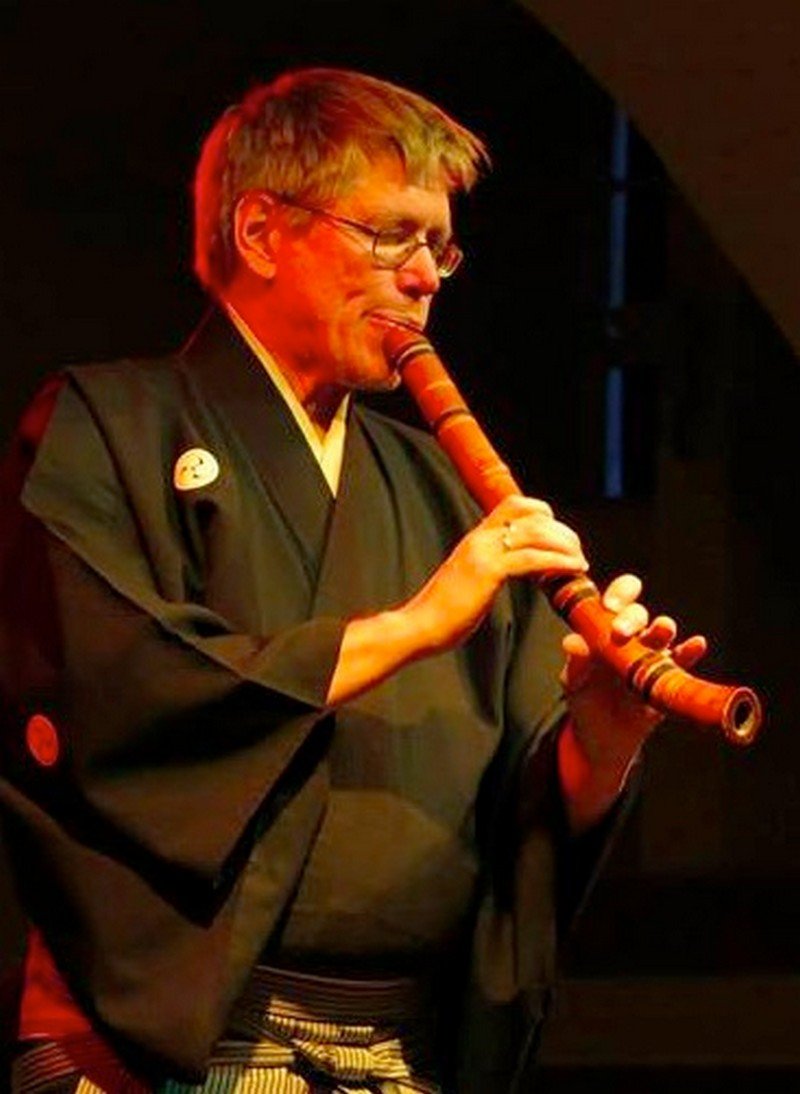
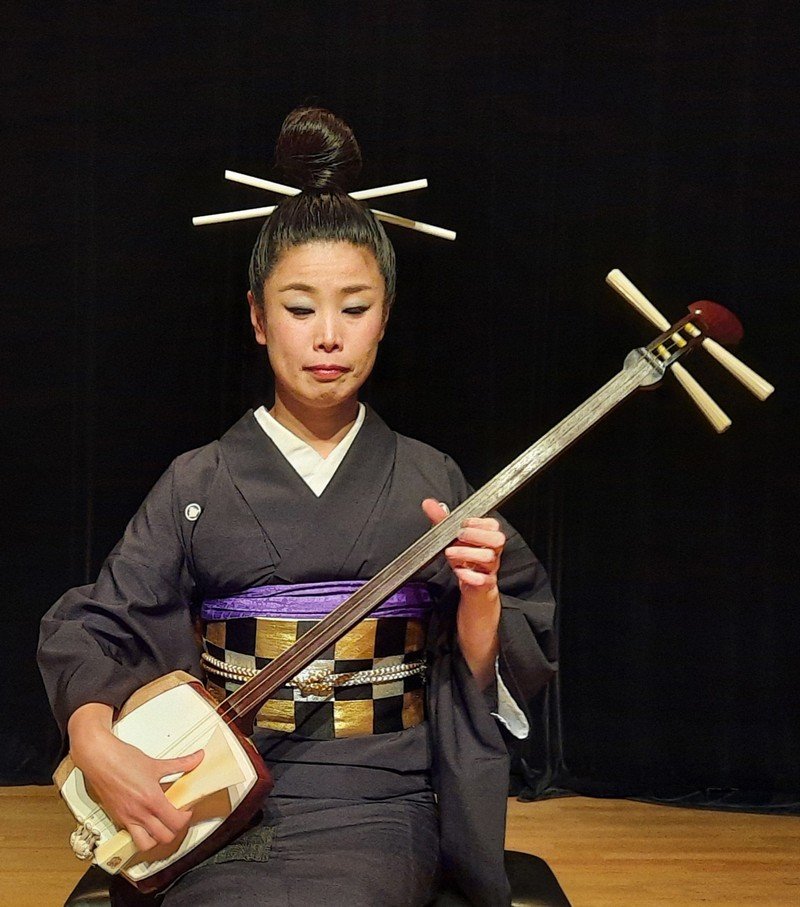
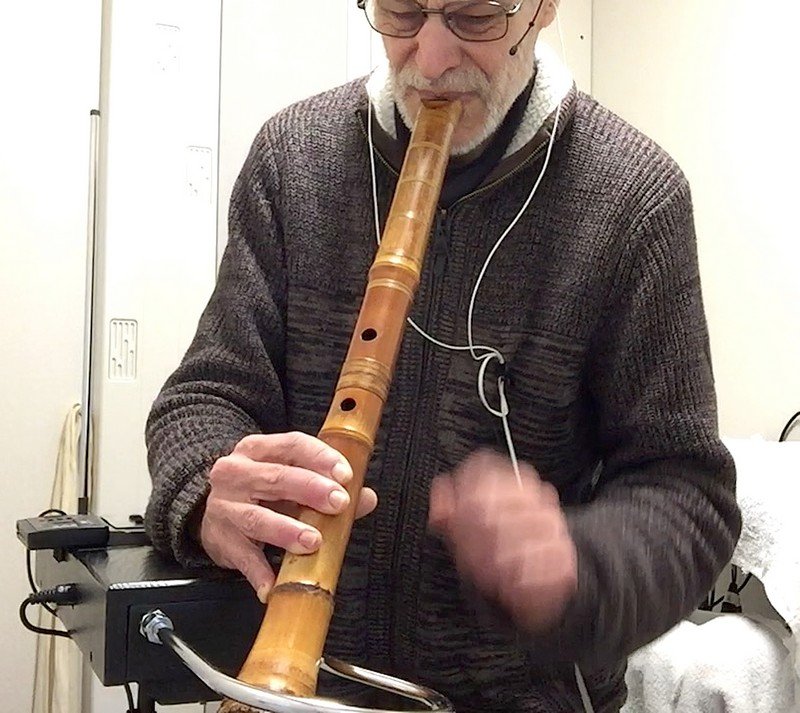
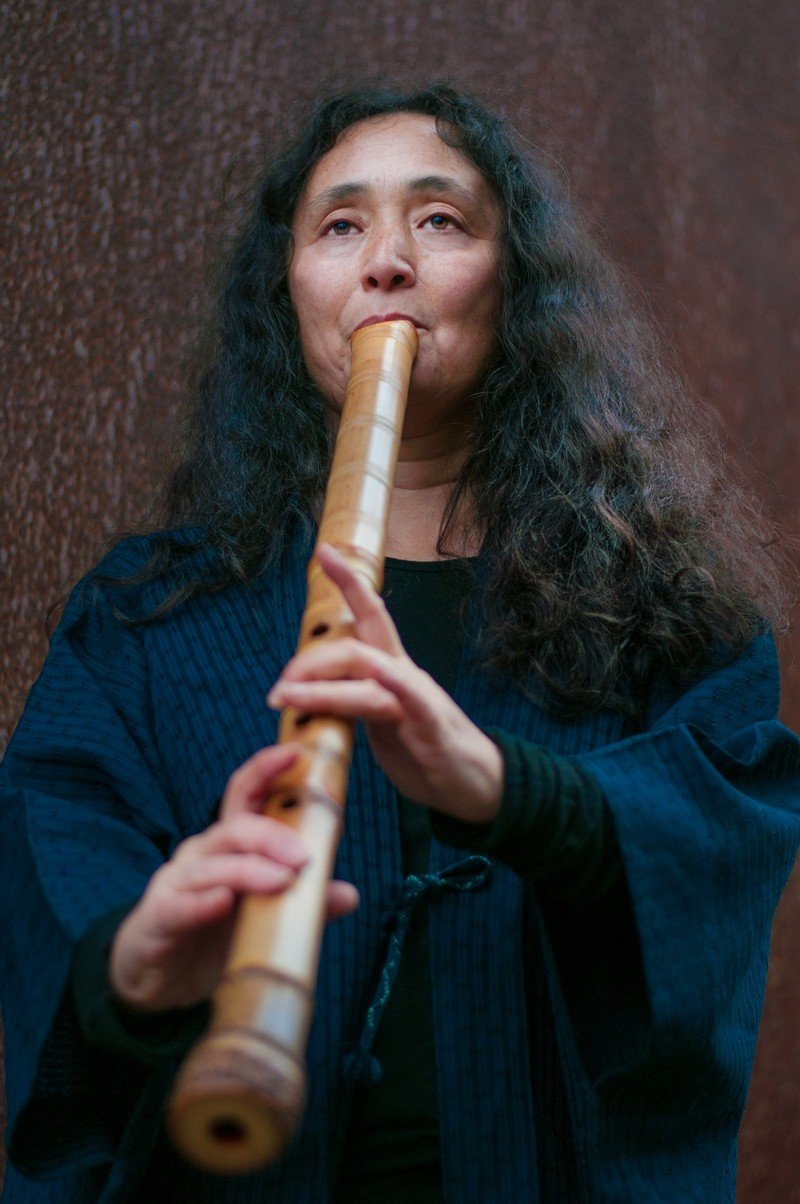
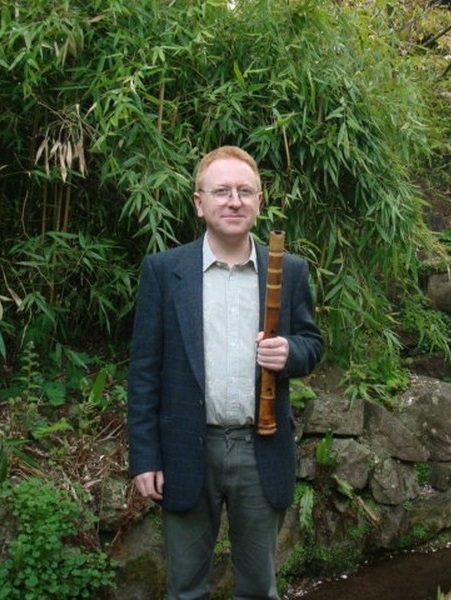
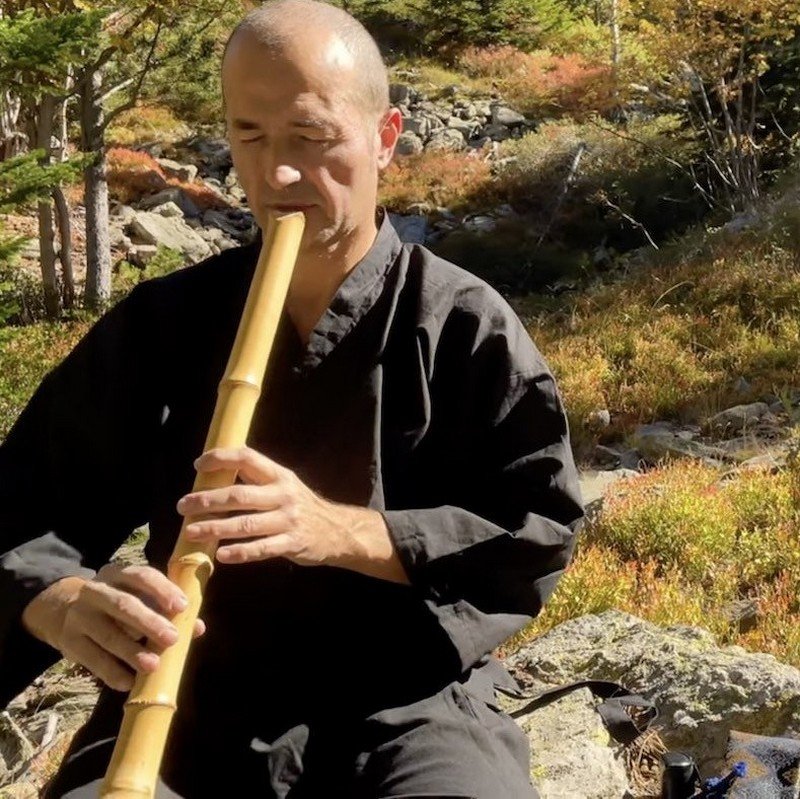
From Japan there is Ashigaki Komei representing the Chikumeisha style of the old Kinko school and Jin Rei, grandson of the legendary Jin Nyodo, who continues the family lineage into the 21st Century. From Europe there is (in alphabetical order) Horacio Curti Kiku Day, Yerasimos Dimovasilis, Jim Franklin, Philip Suimei Horan, Thorsten Knaub, Gunnar Jinmei Linder, Véronique Piron, Emmanuelle Rouaud and Fumie Hihara (koto & shamisen).
There will be several World Premieres of new shakuhachi music written especially for the Parnassos concerts, e.g., by Greek composer Paulos Venturas (shakuhachi & cembalo). Chilean composer Daniel Linker (shakuhachi & live electronics). The special ESS Commission for an ensemble piece was awarded to Spanish composer Ramon Humet.
The event is under the auspices of the Embassy of Japan in Greece.
Website | Facebook |YouTube | Organising Bodies
Editorial notes
The two concerts at Parnassos Hall are part of the European Shakuhachi SocietyΆs (ESS) shakuhachi teaching workshops and activities (Summer School) taking place in Athens from 23. to 26. July 2026. The event received nominal support from the Japanese Embassy in Athens.
The “ESS Summer School” with its focus on shakuhachi music is the major event in the European shakuhachi calendar and attracts people from all over the world.
summerschool.shakuhachisociety.eu/about-athens/
Definitions
Shakuhachi: traditional, Japanese end-blown bamboo flute. More
Honkyoku: traditional solo pieces for shakuhachi, generally meditative in character, most of which date from the 17th to 19th Centuries; the repertoire is, however, in a state of constant transition.
MinΆyō: a folk song genre usually performed with shakuhachi accompaniment, often in combination with dance.
Koto: a roughly 2-metre long Japanese zither with movable bridges under the strings for tuning, usually but not exclusively with 13 strings
Shamisen: a Japanese long-necked lute with (usually) 3 strings and a resonating surface of stretched cat leather (making it a member of the banjo sub-family).
Ashigaki Kōmei studied Kinko-ryū shakuhachi under Master Tanaka Kōmei of Chikumeisha from age of 10. Later he graduated from Tokyo University of the Arts, Faculty of Music, Department of Traditional Japanese Music, majoring in Shakuhachi (Kinko-ryū). During his studies, he learned under Yamaguchi Gorō (Living National Treasure), Yamamoto Hozan (Living National Treasure), and Kawase Junsuke. He also passed the µTraditional Japanese Music Performer AuditionΆ hosted by the Japan Traditional Culture Promotion Foundation, a public interest incorporated foundation and graduated from the 45th term of the NHK Traditional Japanese Music Skills Development Programme.
Jin Rei was born in Tokyo in 1980, and being the grandson of Jin Nyodo, who compiled classical honkyoku pieces, Jin Rei was immersed in JapanΆs classical performing arts from childhood. He studied shakuhachi under his father Jin Nyodo, as well as under Aoki Reibo, Kawase Junsuke, Yamamoto Hozan, and Tokumaru Jumei. Rei completed the undergraduate course at the Institute for Contemporary Japanese Music and graduated from the Department of Japanese Music (specialising in shakuhachi), Faculty of Music, Tokyo University of the Arts. Furthermore he completed the MasterΆs Programme in the Graduate School of Music (specialising in shakuhachi), Tokyo University of the Arts.
Horacio Curti studied the shakuhachi in Japan with Kakizakai Kaoru, and there he received his shakuhachi shihan from Yokoyama Katsuya. Specialising in KSK koten honkyoku, later also got involved with Free Improvised Music and Western Classical Contemporary Music. Curti has collaborated with composers, musicians, dancers and orchestras from around the world, having premiered several pieces in different formations including his premier as soloist with the Spanish National Orchestra of µDesertΆ, concerto for shakuhachi and orchestra by Ramon Humet. He has also recorded two solo albums, µichiΆ and µhome is nowΆ, created and recorded music for audiovisual and books, and performed in Europe, Japan, North and South America.
Kiku Day studied the traditional shakuhachi repertoire, honkyoku, with Okuda Atsuya in Tokyo for eleven years before returning to Europe and have been dedicated to the dissemination of the traditional music as well as creating a contemporary repertoire for the jinashi shakuhachi ever since. Kiku specialises in playing long chokan flutes and have made some of the shakuhachi she plays – from harvesting the bamboo to making them. Recently, she has earned a Kaiden certificate from Myoan-ji, having studied with the kansu Sakai Seian Genshin. This is one of the few temples left today that has a history from the Edo period. Kiku performs all over the world in venues such as Carnegie Hall and Royal Festival Hall.
Yerasimos Dimovasilis began studying the shakuhachi in 2002 with teachers such as Kiku Day, Tony Clark, Kaoru Kakizakai and Seiun Saruta, among others and specialized in the traditional honkyoku repertoire. Since 2011 he has focused exclusively on the Kinko-ryū tradition and has continued his studies under Gunnar Jinmei Linder, expanding his repertoire in both honkyoku and jiuta sokyokū works. He currently holds the shihan diploma of the Chikumeisha school and teaches shakuhachi in Greece.
Jim Franklin is an Australian composer/performer of shakuhachi. He encountered the shakuhachi during musical studies in Australia, Germany and Netherlands. After learning it with Dr Riley Lee, Furuya Teruo and Yokoyama Katsuya, he received the title shihan in 1996 from Yokoyama-sensei. In 1998, he was awarded the degree of PhD in composition from Sydney University. As a performer, Franklin specialises in shakuhachi honkyoku and modern music. His concert activities have extended throughout Australia, Europe (where he resided for many years) and Japan (where he has lived since 2021), and he has performed and taught at most of the World Shakuhachi Festivals (WSFs) since 1998.
Philip Suimei Horan studied music at Maynooth University. After graduation, he worked as a flute and recorder teacher and performer. He began learning the shakuhachi in 1996. He spent two years in Japan studying the Tozan-ryū repertoire with Hanaoka Seizan in Hiroshima. On his return to Ireland, he completed a masters degree in ethnomusicology at the University of Limerick. He continued his shakuhachi studies in Europe with Kiku Day and was awarded a Tozan-ryū jun-shihan from Jean-François Lagrost. Horan often performs shakuhachi with Dublin-based Japanese musicians who play Irish music, with the Experience Japan Taiko Team and with Charlie Marshall (biwa). Collaborations include performing on the soundtrack of the documentary, A DoctorΆs Sword and the Scottish National Theatre production of The Reason I Jump.
Thorsten Knaub is a shakuhachi player/maker based in London and Paris. Knaub initially discovered the shakuhachi in the early 1990s while travelling in Asia. In 2011 he released the critically acclaimed CD and a short-film Listening Station – music for abandoned structures and shakuhachi (2011), a site-specific improvisation recorded in the abandoned cold war US listening station situated near Berlin, Germany. Since 2014 Knaub focuses on studying traditional honkyoku/dokyoku and modern repertoire with Teruo Furuya, head of Chikushinkai/KSK Tokyo and recently received his shihan (teaching diploma). Knaub was part of the WSF2018 London executive committee and in 2022 he was elected to the chairperson position of the European Shakuhachi Society.
Gunnar Jinmei Linder began studying shakuhachi in Japan in 1985 with Yamaguchi Goro (designated Living National Treasure). He obtained a Master of Fine Arts degree as a soloist from Tokyo University of the Arts 1997, and was awarded shihan (teaching diploma) and the name Jinmei from Yamaguchi in 1998. Linder performed and taught professionally in Japan for twenty years before returning to his native Sweden. He now performs and teaches regularly throughout Europe. Linder holds a PhD in Japanology and is working as Associate Professor (Docent) in Japanese Studies at Stockholm University. He has also made numerous recordings, and teaches intermittently at the Royal College of Music in Stockholm. In 2016 Linder was awarded the Japanese Foreign MinisterΆs Commendation, and in 2025 he received The Order of the Rising Sun, Gold Rays with Rosette for his academic and artistic activities and promotion of Japanese culture.
Véronique Piron, originally French flutist, is a shakuhachi performer and teacher in the style of Yokoyama Katsuya (KSK) who awarded her a shihan (teaching diploma) in 2002 in Japan whilst a recipient of a Lavoisier research grant. She is a founding member of the ESS, and has been a teacher and co-organiser of several ESS Summer Schools. Based in Brittany she is currently coordinator of the Broceliande conservatory, where she also teaches free improvisation and World Music. Moving between traditional and original repertoire, she has worked with composers and musicians on intercultural projects which have enabled her to develop her own compositions (CD Suspended Flow). She also premiered the new shakuhachi duet”Binioù braz” with Furuya Teruo at World Shakuhachi Festival in Texas in 2025.
Emmanuelle Rouaud is a French musician specialising in shakuhachi, silver and baroque flute, whose fascination with exploring the expressive possibilities of the shakuhachi has led her to collaborate with contemporary composers to develop a new repertoire of contemporary music for shakuhachi. Her collaboration with French composer Henri Algadafe were premiered at the WSF London (2018), ESS Festival in Ireland (2023), the Sibelius Museum in Turku, Finland (2024) and WSF Texas (2025). Currently they are working as µNeaji EnsembleΆ combining electric guitar, electronics and shakuhachi. Rouaud also has been studying traditional honkyoku and modern repertoire with Teruo Furuya, director of the Chikushinkai / KSK in Tokyo, who awarded her the shihan (teaching diploma) in 2021. Since 2023 she performs the shakuhachi part of the anime stage show Naruto Symphonic Experience and its sequel Shippuden Part I, touring various venues around Europe.
An accomplished koto and shamisen player, Fumie Hihara offers a groundbreaking interpretation that explores the depths of traditional Japanese instruments. While her performances honor their heritage, they daringly push boundaries, merging innovation with flexibility – a combination that has garnered widespread acclaim.
By age 17, she set a record as the youngest koto player to achieve a teacherΆs license. Later, she graduated from Tokyo University of the Arts, majoring in Japanese Music.
Fumie has been a coveted guest at numerous festivals throughout Europe and Japan. Her collaborations encompass diverse genres such as Jazz, Hip Hop, contemporary dance, and theater. Since 2006, sheΆs been cultivating her international career in Paris, all while instructing students in the time-honored traditions of her craft.
Ramon Humet is a Spanish composer and shakuhachi player. Humet composed Music for Ekstasis, a lost solo by Martha Graham reimagined by Virginie Mécène and premiered by the Martha Graham Dance Company at the Joyce Theater in New York (2017). Recently he has premiered Desert, a concert for shakuhachi and symphony orchestra commissioned by the Spanish National Orchestra to celebrate the bicentennial of the Prado Museum, with Paolo Bressan conducting and Horacio Curti as soloist. His compositions have been premiered by the Montreal Symphony Orchestra, the London Sinfonietta, the Latvian Radio Choir, Bühnen Halle Oper or the Spanish National Orchestra, among others.
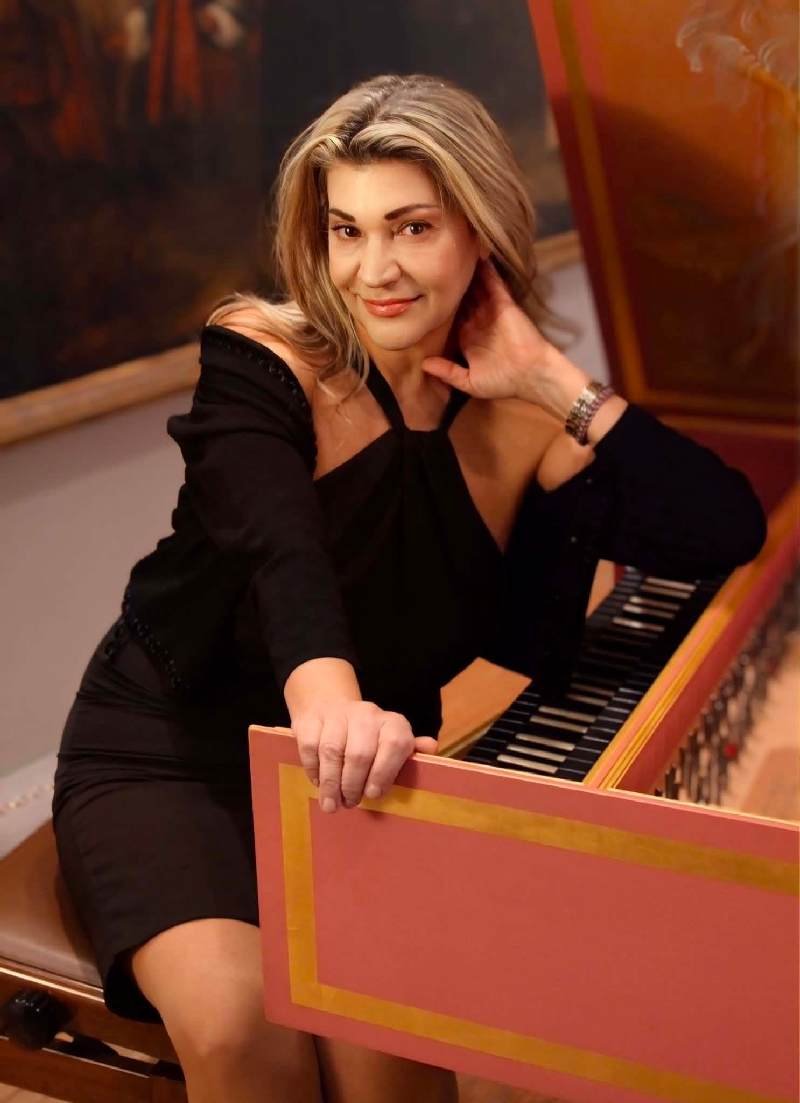
Julie Ventura began her musical studies in piano at the National Conservatory of Greece. After graduating, she continued her training in harpsichord with Margarita Dalmati at the Athenaeum Conservatory. She later pursued further studies in Vienna with Gordon Murray and in Paris with Blandine Verlet.
An active soloist with an extensive concert career, Julie Ventura has performed widely in Greece and abroad. In 2010, she performed Philip GlassΆs Concerto for Harpsichord and Chamber Orchestra with the Orchestra of Colours. Her performance was praised by the critic Giorgos Leotsakos (Express, March 8, 2010), who described her as a “young, brilliant harpsichordist with rhythmic flexibility and a brilliant sound.”
The Greek composer Mimis Plessas dedicated his Concerto for Harpsichord and Strings to her. In 2016, on the occasion of the 400th anniversary of CervantesΆ death, she presented a recital of Spanish repertoire organized by the Embassy of Spain and the Cervantes Institute at the Byzantine Museum of Athens.
She also performed Gavin BryarsΆs After HandelΆs Vesper for harpsichord in the presence of the composer during his visit to Athens. This performance was recorded and is featured on the composerΆs official website as a reference interpretation.
Discography

Parnassos Literary Society
Pl. Agiou Georgiou Karitsi 8,
Athens 10561 (map)
DATES
Friday, July 24: Silence To Sound
Japanese music for shakuhachi, koto & shamisen
Mixed program with emphasis on traditional repertoire
Saturday, July 25: Sound To Silence
Japanese music for shakuhachi, koto & shamisen
Mixed program with emphasis on contemporary and modern repertoire
STARTS
20:30
Duration: 90'
TICKET PRICE
One Day 18€
Two Days 28€
PRE-SALE
TICKET SERVICES
- online: www.ticketservices.gr
- by phone: 2107234567
- ticket office: Panepistimiou 39, Athens
Telephone and online purchases include a service charge of 5% on the ticket price
and at the "Parnassos" Literary Association before the performance (about 45 minutes before)
E-TICKET
Tickets purchased online are downloaded in PDF format and printed or saved on a mobile phone
TERMS & CONDITIONS
click here
PRODUCTION DETAILS
ΤΟΥΡΚΑΚΗΣ & ΣΙΑ Ε.Ε.
ΑΦΜ: 802955940
ΔΟΥ: ΚΕΦΟΔΕ ΑΤΤΙΚΗΣ
ΕΔΡΑ: ΣΤΑΔΙΟΥ 5, ΑΘΗΝΑ 105 62

TICKET SERVICES - LOGISMIKI LTD
Call center: +30 210 7234567
e-mail: info@ticketservices.gr
Box office: 39, Panepistimiou Str. (Pesmazoglou Arc), Athens, Greece 
Working hours: Mon-Fri: 9am-5pm